
Medical Neglect and Resistance
L'Amour et les ForêtsThis flow traces the conflict between Bénédicte’s bodily knowledge and Jean-François’s repeated efforts to deny, manage, or minimize her illness.
increasing Bearing strength in each event
 decreasing
Bearing strength in each eventdecreasingPain Called Imaginary

Pain Called Imaginary
A Body Disbelieved
Jean-François repeatedly interprets Bénédicte’s pain as psychological and urges her to walk or exercise through it. During a later trip to the Cotentin, she endures a week of severe pain while he treats her complaints as obstruction.
This dismissal echoes his broader habit of treating her perceptions as unreliable. Her bodily warning signs are made to compete against his certainty about what she should feel.
Care Under His Control
Care Under His Control
Dependence as Authority
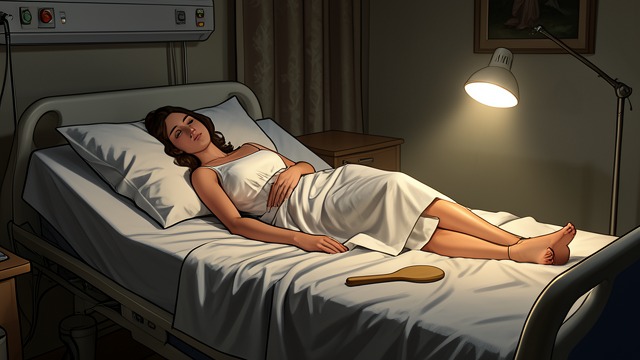
Jean-François keeps Bénédicte’s prescriptions and prepares her medication, presenting himself as indispensable. When she becomes dangerously ill from chemotherapy, he resists taking her to hospital and insists that the symptoms are merely treatment effects.
Marie-Claire intervenes after hearing Bénédicte’s urgent request for help. The episode exposes how medical decisions have become entangled with marital power.
An Unwanted Bedside
An Unwanted Bedside
Presence Against Her Wishes
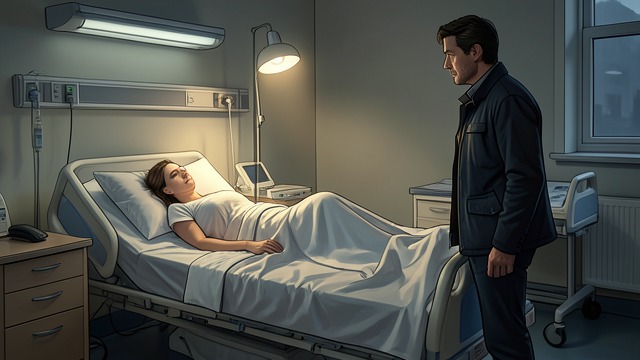
Bénédicte asks Jean-François not to sleep at the foot of her hospital bed, but he stays there night after night. His claim to be assisting her does not correspond to the comfort she requests.
Marie-Claire sees the forced presence as another form of abandonment: Bénédicte is accompanied by someone who does not respond to her needs. The conflict reaches its final form at the bedside, where the dying woman’s wishes continue to be overridden.
The years after Bénédicte’s first cancer
During the second cancer treatment in 2010
From Bénédicte’s admission to hospital until her death
